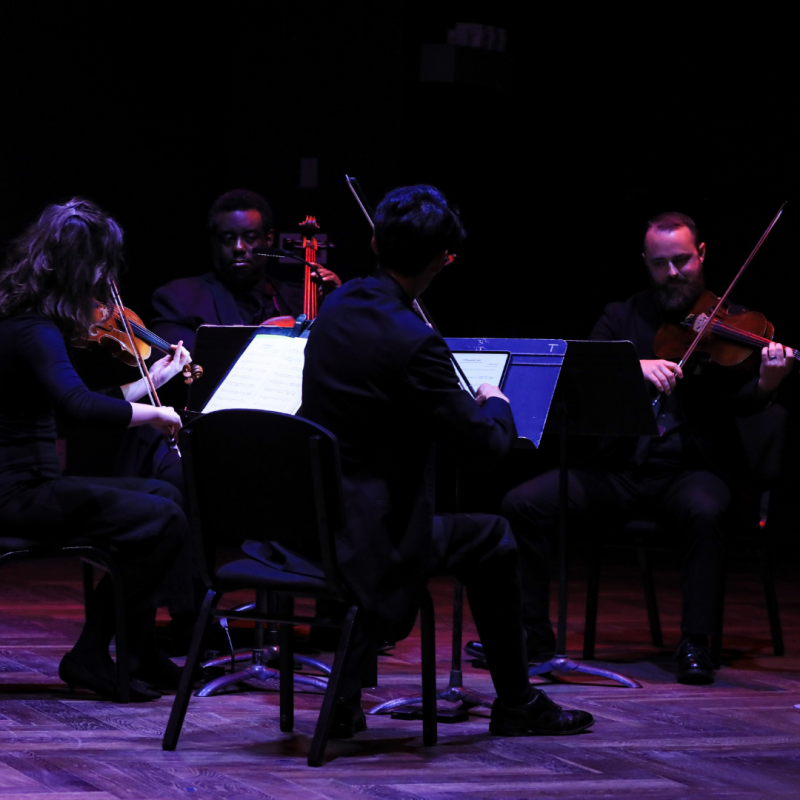
Program Notes
Mozart & Stravinsky Program Notes
BOCCHERINI: Guitar Quintet No. 4 in D Major “Fandango”
STRAVINSKY: Octet
MOZART: String Quartet No. 16 in E-Flat Major, K. 428

VERDI: Overture to La forza del destino
MOZART, ROSSINI, DONIZETTI, and VERDI: Selected arias
TOSTI: Songs
RESPIGHI: Pines of Rome

Jennifer Higdon: blue cathedral
Wynton Marsalis: Concerto for Trumpet
Samuel Barber: Adagio for Strings
Aaron Copland: Appalachian Spring
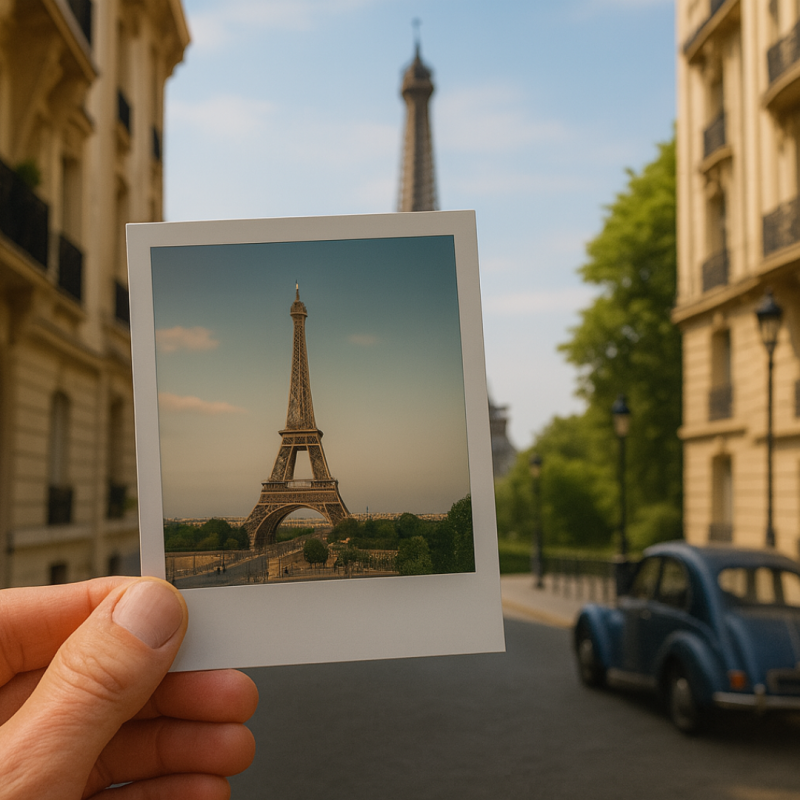
George Gershwin: An American in Paris
Noah Bendix-Balgley, orch. Samuel Adler: Fidl-Fantazye: A Klezmer Concerto
John Williams: Adventures on Earth (ET)
Michael Daugherty: Cadillac Ranch

Paul Wiancko: American Haiku
Jennifer Higdon: An Exaltation of Larks
Jennifer Higdon: Amazing Grace
Florence Price: Night
Paul Schoenfield: Café Music
Jocelyn Morlock: Interloper
Ludwig van Beethoven: Symphony No.4
Dmitri Shostakovich: Piano Concerto No. 1
Douglas Schmidt: DSCH
Dmitri Shostakovich: Piano Concerto No. 2
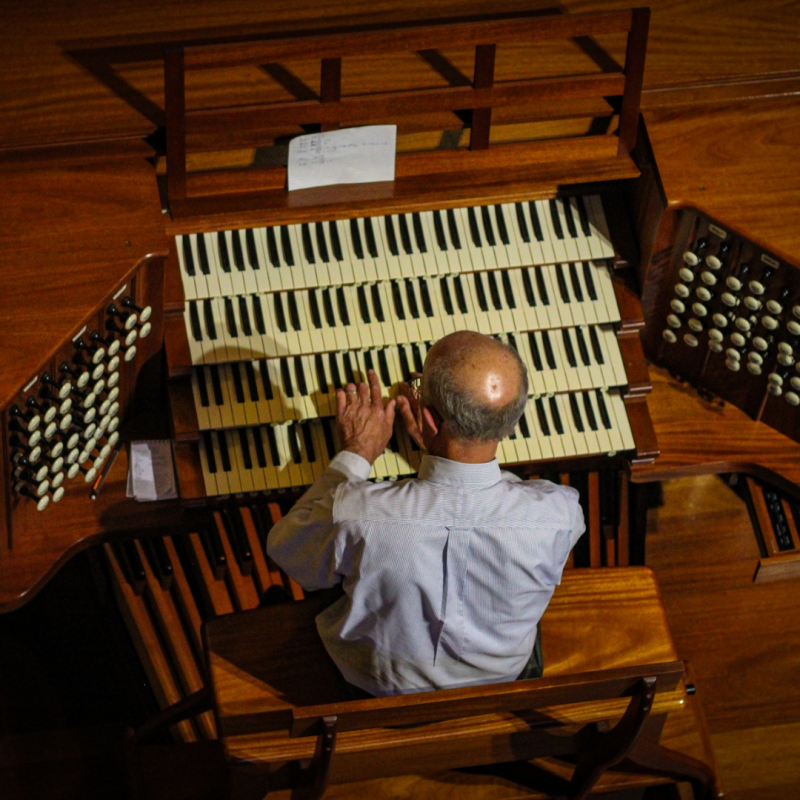
Todd Wilson, organ
Louis Vierne: Marche triomphale, Op. 46
Claude Debussy: Nocturnes
Joseph Jongen: Symphonie Concertante, Op. 81
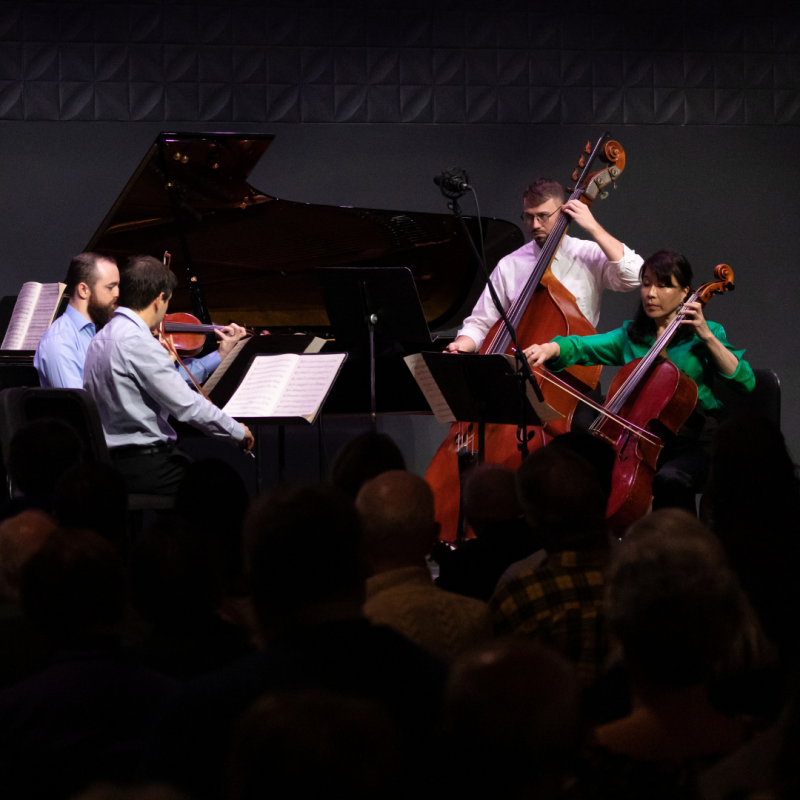
Mel Bonis: Flute Sonata
Aruna Narayan: Mishra Pilu for String Quartet
Francis Poulenc: Sonata for Clarinet and Bassoon
Juan Crisostomo Arriaga: String Quartet No. 1
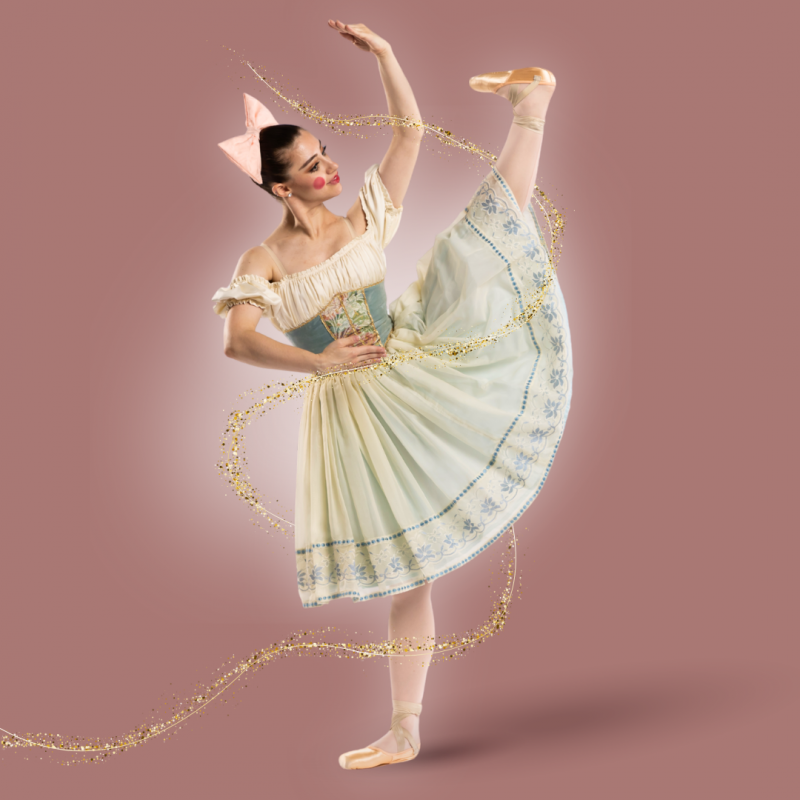
Coppélia is widely regarded as one of the greatest comic ballets of the nineteenth century and continues to hold a central place in classic ballet repertoire. At its heart, it is a story about curiosity, jealousy, and the fine line between imagination and reality.
_med.png)
Gioachino Rossini: Overture to The Barber of Seville
Felix Mendelssohn: Symphony No. 4 "Italian"
Ottorino Respighi: Ancient Airs and Dances Suite No. 1
Pyotr llyich Tchaikovsky: Capriccio ltalien
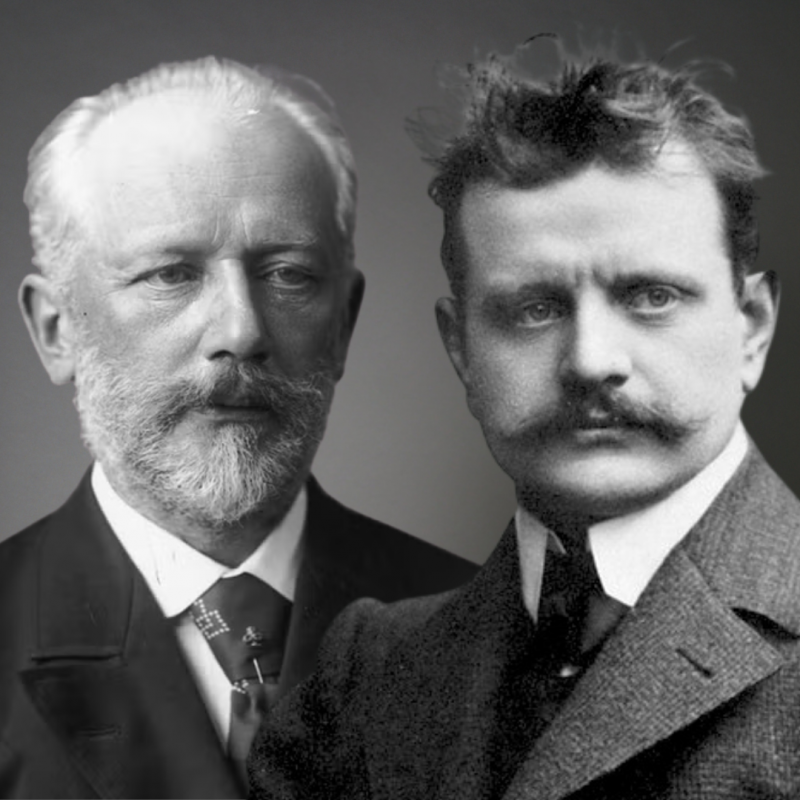
Some music meets you where you are. Other music finds you before you know you need it.
For me, Tchaikovsky’s Symphony No. 6, the Pathétique, belongs to the second category. It’s one of the most personal symphonies ever written and a work that I return to again and again, discovering something new each time.
_med.png)
Vivian Fung: Aqua
Jean Sibelius: Violin Concerto
Pyotr llyich Tchaikovsky: Symphony No. 6
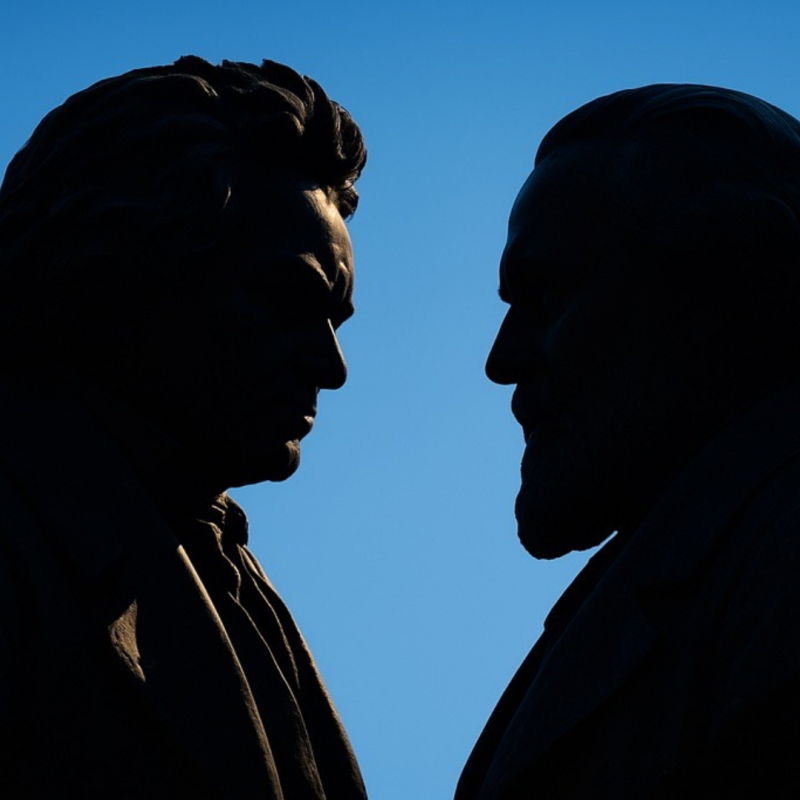
David Baker: Concertino for Cellular Phones and Symphony Orchestra
Ludwig van Beethoven: Piano Concerto No. 5, “The Emperor”
Johannes Brahms: Symphony No. 1
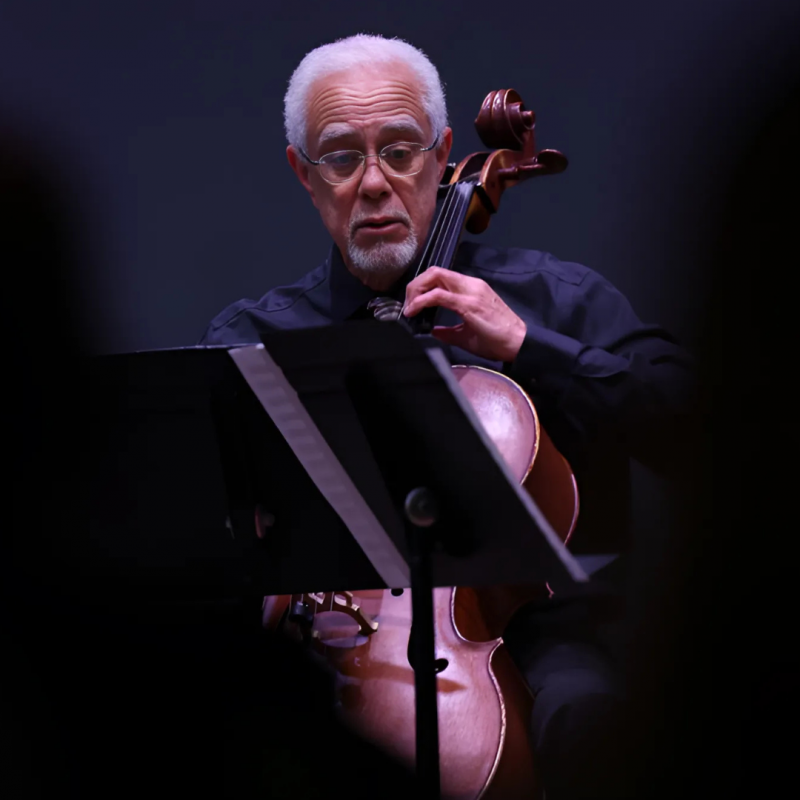
Jessie Montgomery – Voodoo Dolls
Quinn Mason: The 19th Amendment for piano, clarinet, and violin
Irene Britton Smith: Fugue in G Minor for string trio
Jeff Scott: Sermon for Saints and Sinners
_med.png)
This vibrant program spans centuries of sound, from the intimate warmth of Bach’s Brandenburg Concerto No. 6 to the wit and edge of Stravinsky’s Pulcinella, all culminating in the sparkling elegance of Handel’s Water Music.
These masterworks, each unmistakable in voice and style, come together in a concert that celebrates connection, contrast, and enduring musical brilliance.
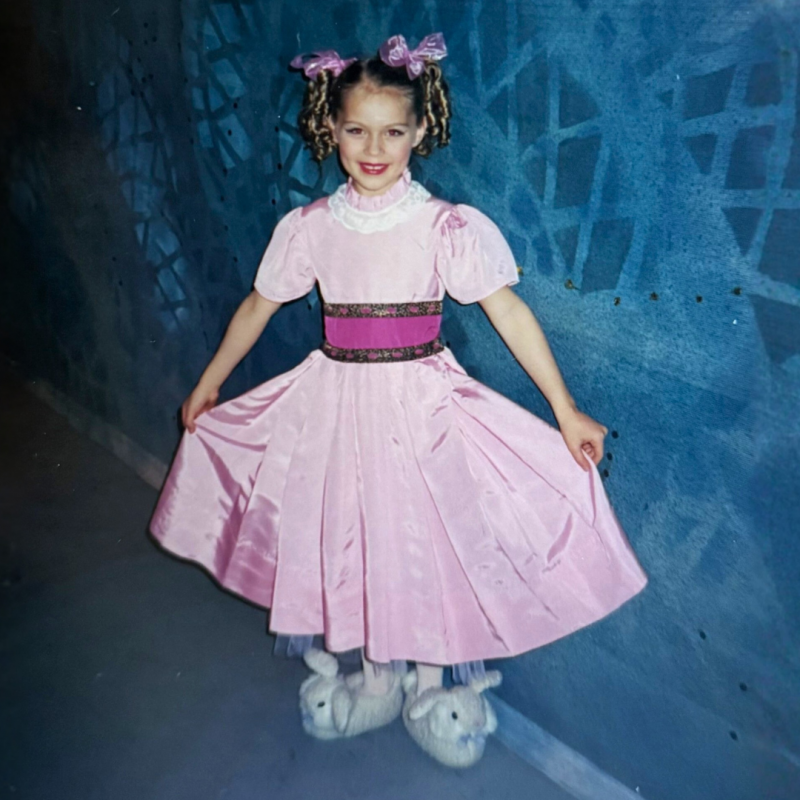
Toledo Ballet is delighted to welcome Isabella LaFreniere, principal ballerina with New York City Ballet, as a guest artist for the 85th annual production of The Nutcracker, presented by Fifth Third Bank. A proud alumna of Toledo Ballet, Isabella will take the stage as the Sugar Plum Fairy, bringing her journey full circle with the very production where she first danced as a child.
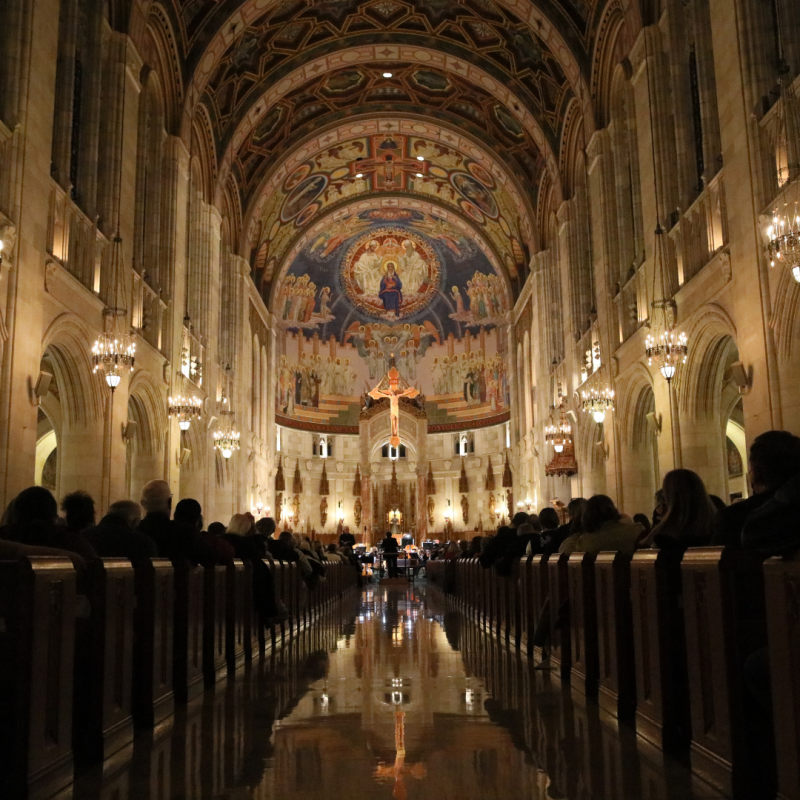
Since its composition in 1741 and premiere in Dublin in 1742 George Friedrich Handel’s oratorio Messiah has become a holiday tradition. Although nowadays it is performed almost exclusively at Christmas time, it was originally presented at Easter. The current institution of performing Messiah during Christmas, especially popular in the United States, may have been born at least partly of necessity: Laurence Cummings explains that “there is so much fine Easter music – Bach’s St. Matthew Passion, most especially – and so little great sacred music written for Christmas.”
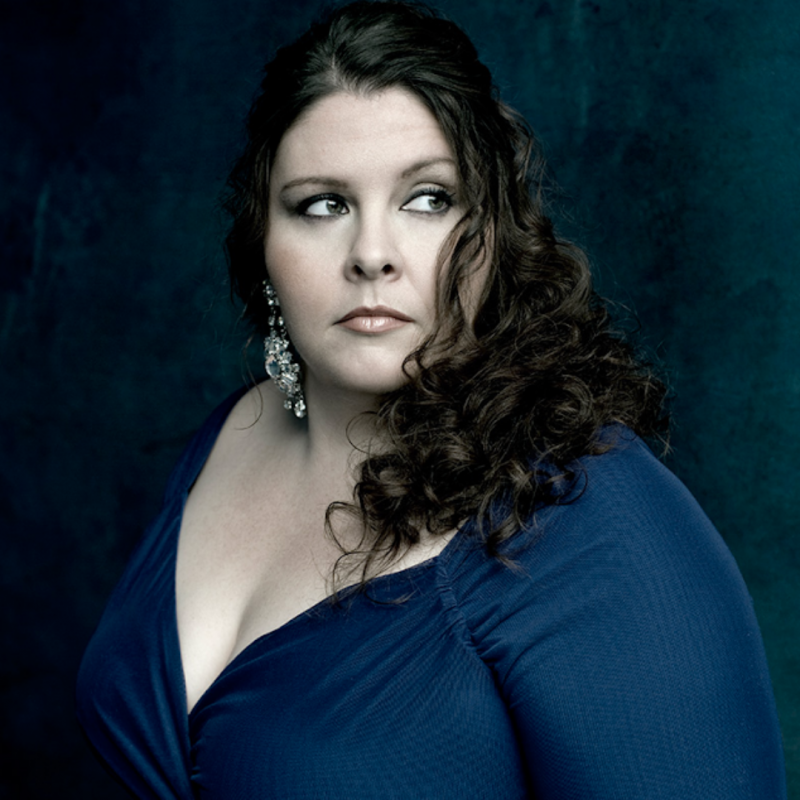
The songs are gentle, sensuous, sweet, lyrical, and feature delicate textures. Musicologist Herbert Glass writes, “The sublime Metamorphosen and Four Last Songs are retrospective, drenched in a sense of what was and never will be again.... But they are indeed songs of farewell – to life, to art, to a vanished world.... To more than one observer, Strauss saved his best for the very end.”

I remember the first time I heard Richard Strauss’s Four Last Songs in person. It was April 1997 at the Toledo Symphony. I attended with several high-school friends, and even though I’d been to the opera before, I had never heard anything like the Songs: a tone poem for soprano and orchestra, a human voice floating above a palette of late-Romantic warmth and love. The music stopped me in my tracks.
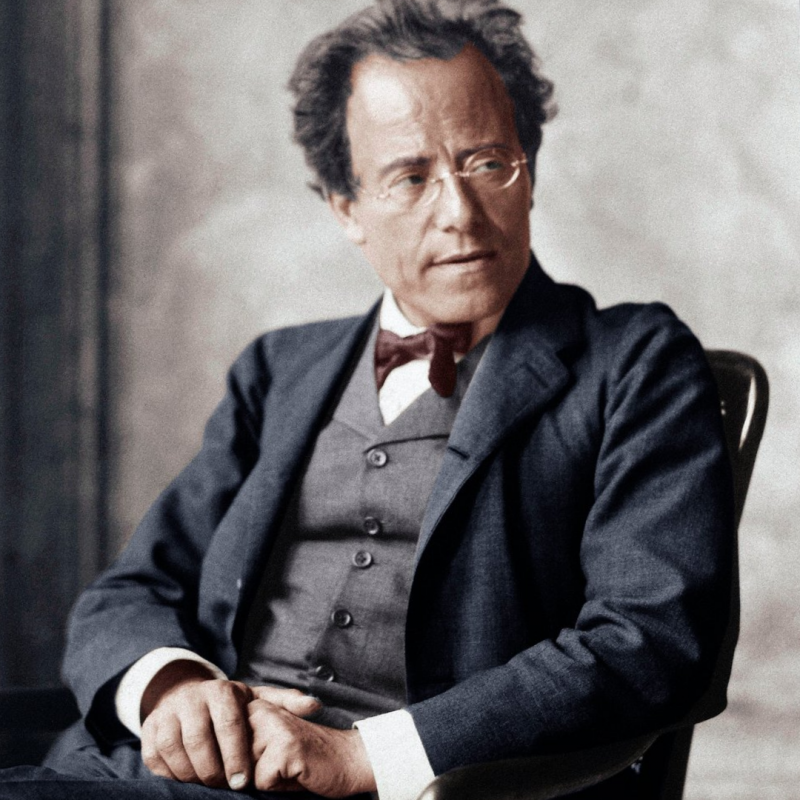
I love Mahler.
Mahler is my guy. My favorite composer. My personalized license plate.
His music isn’t everyone’s cup of tea; it’s thick, personal, and philosophical. For some, his symphonies are a hot drink, not easily consumed. But the Sixth Symphony? It’s pure drama. It soaks you to the bone and makes eighty-five minutes disappear.
The only thing Mahler asks of his listeners (at first!) is that you listen openly. He wrote, “At a first performance … the principal thing is to give oneself with pleasure or displeasure to the work, to allow the human-poetic in general to affect one, and if one then feels drawn to it, to occupy oneself with it more thoroughly…. One must bring along one’s ears and heart and, not least, surrender willingly…. A bit of mystery always remains – even for the creator!”
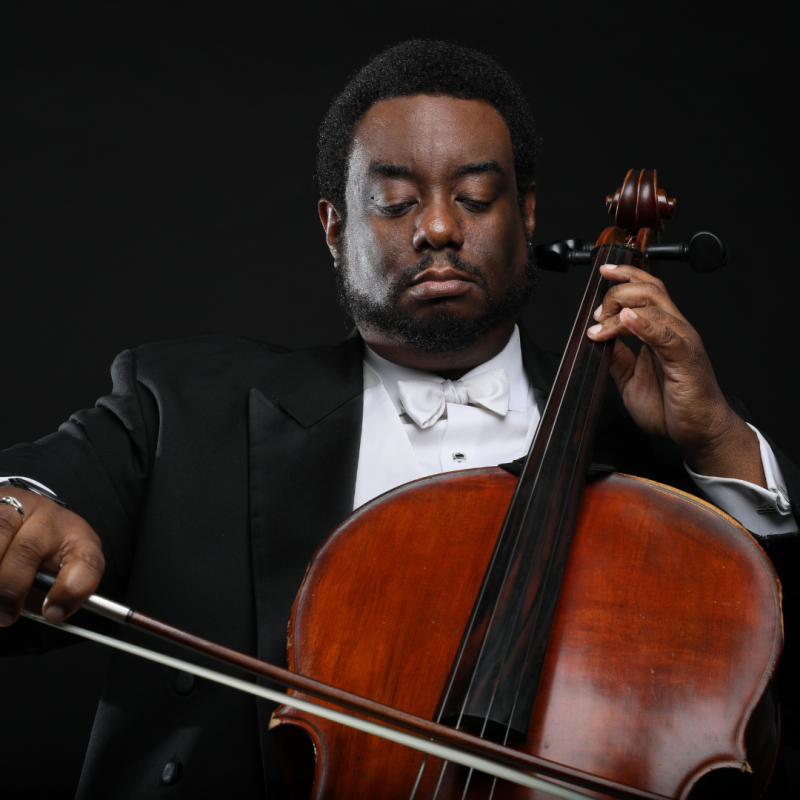
Pairing brilliance with poignancy, this concert features two quintessential chamber works by two prolific composers that were each written within the span of less than three months.
“But let me tell you, you are not acquainted with love, although you say you feel it strongly. That’s not the rage, the fury, the delirium which takes possession of all our faculties and makes us capable of anything.”
– Hector Berlioz
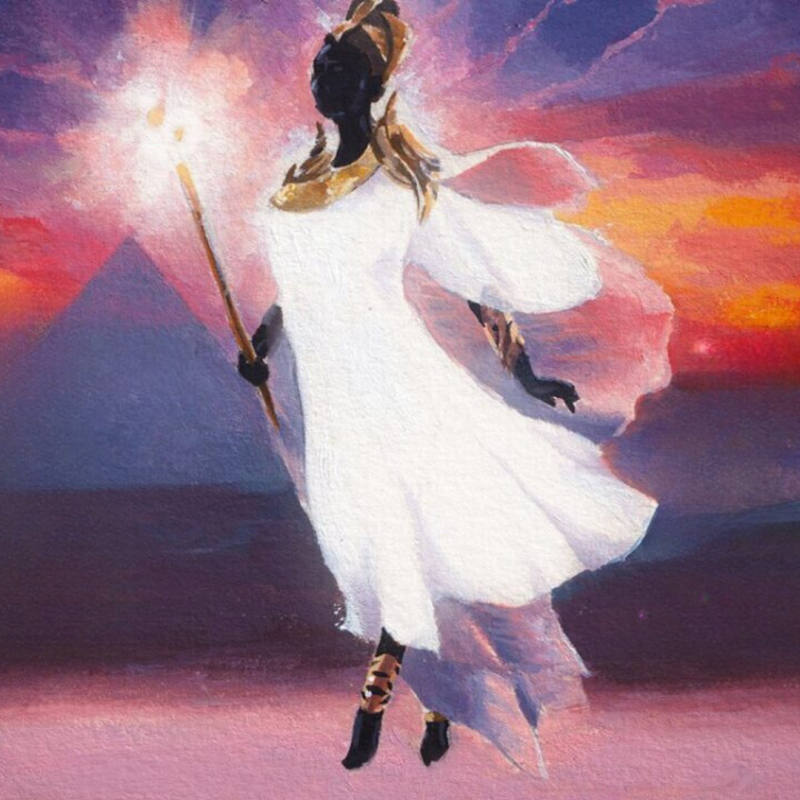
Angry’s Black Athena~Power was commissioned and premiered by Jonathan McPhee and the Lexington Symphony in 2022. Like many musicians, McPhee wanted to work on a project as a response to the heightened awareness of racial injustice as well as contribute to increasing diversity in orchestral literature.

When we gather in a concert hall today, it’s tempting to take for granted that orchestral music has always sounded the way it does. We expect it to move us, to stir something deep, but not always to tell a story. In 1830, however, the young French composer, Hector Berlioz, broke through those expectations with a work so daring, so vividly cinematic, that critics didn’t even have the words for it.
Composer Maurice Ravel (1875–1937) was a master of color and clarity—equally at home with intimate chamber textures and orchestral shimmer. Explore the program below with notes and embedded listening.

When we began the journey to reimagine our organization as Live Arts Toledo, we knew we needed more than a new name and logo. We needed a unifying story—something that would carry meaning not only in our performance halls and classrooms, but in the hearts of everyone who calls this organization their own.
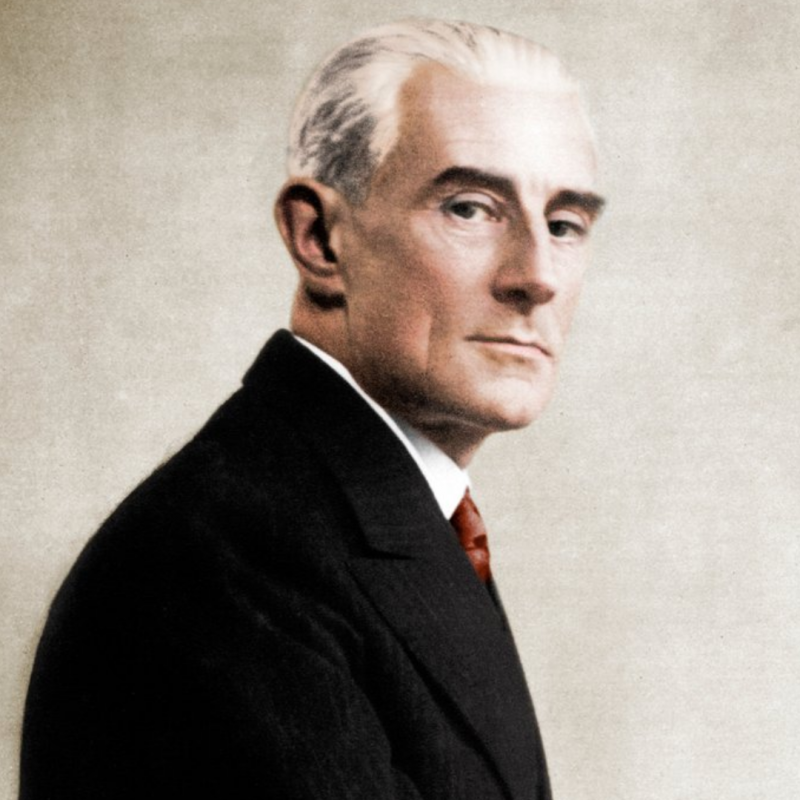
Composer and pianist Maurice Ravel is most commonly associated with the French Impressionist movement, along with his contemporary, Claude Debussy, though neither acknowledged the label. Ravel was raised in a musical household and had access to an excellent musical education at the Paris Conservatory, where he decided against a career as a concert pianist and opted to devote his life to composing.

When you sit in The Peristyle as the symphony tunes, when you watch a dancer balance on the edge of silence just before the music begins, when you feel a jazz trio lift the room, you know there is nothing else like live performance. It is profoundly human. It exists in that fleeting, unrepeatable moment, felt as deeply by the people who perform as by the people who witness it.
This is the essence of what we do. And now, it is the name we carry: Live Arts Toledo.